Why Regular Tune-Ups Save You Money on Repairs
- jeremeysauto
- 4 days ago
- 3 min read
Regular maintenance is often seen as an unnecessary expense, but the truth is that it can save you a significant amount of money in the long run. Just like your health, your vehicle requires regular check-ups to ensure everything is functioning properly. This blog post will explore how regular tune-ups can prevent costly repairs, extend the lifespan of your vehicle, and enhance your driving experience.

Understanding Vehicle Tune-Ups
A vehicle tune-up is a preventive maintenance procedure that involves checking and adjusting various components of your car to ensure optimal performance. This can include:
Spark plug replacement: Worn-out spark plugs can lead to poor fuel efficiency and engine performance.
Air filter replacement: A clean air filter improves engine performance and fuel economy.
Fluid checks: Regular checks of oil, coolant, and brake fluid can prevent engine overheating and other issues.
Battery inspection: Ensuring your battery is in good condition can prevent unexpected breakdowns.
By addressing these components regularly, you can avoid more severe issues down the line.
The Cost of Neglecting Tune-Ups
Neglecting regular tune-ups can lead to a host of problems that can be costly to fix. Here are some examples:
Engine Problems: Ignoring signs of engine trouble can lead to catastrophic failures. For instance, a small oil leak can turn into a complete engine failure if not addressed promptly. Repairing an engine can cost thousands of dollars, while a simple tune-up might only cost a few hundred.
Fuel Efficiency: A poorly maintained vehicle can consume more fuel. According to the U.S. Department of Energy, a vehicle can lose up to 30% of its fuel efficiency due to neglected maintenance. This means you could be spending significantly more on gas than necessary.
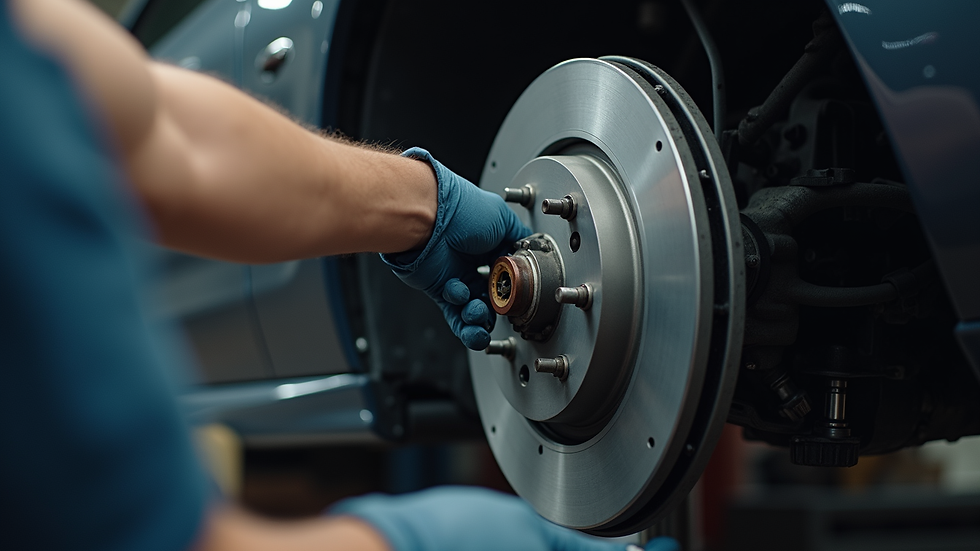
Brake Issues: Worn brake pads can lead to more severe damage to the braking system. Replacing brake pads is much cheaper than replacing rotors or calipers, which can be hundreds of dollars more.
How Regular Tune-Ups Save You Money
Preventive Maintenance
Regular tune-ups are a form of preventive maintenance. By identifying and addressing potential issues before they escalate, you can save money on repairs. For example, replacing a worn-out timing belt during a tune-up can prevent it from snapping and causing extensive engine damage.
Improved Fuel Efficiency
A well-maintained vehicle runs more efficiently. Regular tune-ups can improve your vehicle's fuel economy, saving you money at the pump. For instance, replacing a clogged air filter can improve fuel efficiency by up to 10%. Over time, these savings add up.
Extended Vehicle Lifespan
Regular maintenance can extend the lifespan of your vehicle. By keeping your car in good condition, you can avoid the need for costly replacements. A well-maintained vehicle can last well over 200,000 miles, while a neglected one may only last half that.
Enhanced Safety
Regular tune-ups ensure that your vehicle is safe to drive. This includes checking brakes, tires, and lights. A safe vehicle reduces the risk of accidents, which can lead to costly repairs and insurance claims.
What to Expect During a Tune-Up
When you take your vehicle in for a tune-up, here’s what you can expect:
Inspection: A mechanic will inspect various components of your vehicle, including the engine, brakes, and tires.
Fluid Changes: Old fluids will be replaced with fresh ones, including oil, coolant, and brake fluid.
Parts Replacement: Worn-out parts, such as spark plugs and air filters, will be replaced.
Diagnostics: Modern vehicles often have onboard diagnostic systems that can identify issues. Mechanics will use these tools to pinpoint problems.
Frequency of Tune-Ups
The frequency of tune-ups can vary based on your vehicle's make and model, as well as your driving habits. However, a general guideline is to have a tune-up every 30,000 miles or every two years, whichever comes first. Always refer to your vehicle's owner manual for specific recommendations.
DIY Tune-Up Tips
While some aspects of a tune-up are best left to professionals, there are several things you can do yourself to keep your vehicle in good shape:
Check Fluid Levels: Regularly check your oil, coolant, and brake fluid levels.
Replace Air Filters: Changing your air filter is a simple task that can improve performance.
Inspect Tires: Check tire pressure and tread depth regularly to ensure safety and efficiency.
Conclusion
Regular tune-ups are not just an expense; they are an investment in the longevity and performance of your vehicle. By keeping your car in top shape, you can avoid costly repairs, improve fuel efficiency, and enhance your driving experience. Make it a habit to schedule regular maintenance, and your wallet will thank you in the long run.
Take action today and schedule your next tune-up. Your vehicle will run better, and you’ll save money on repairs down the road.

Comments